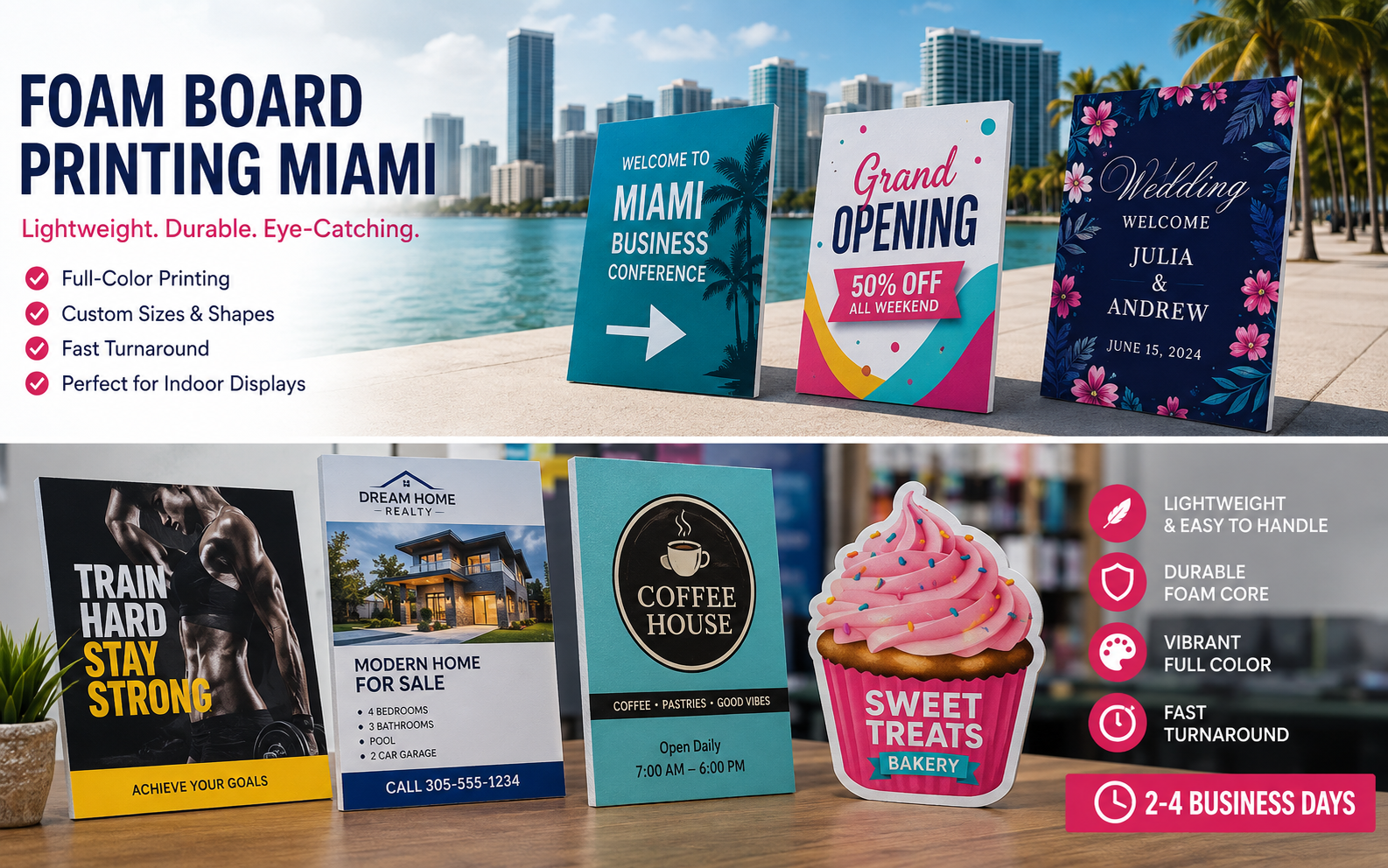
Foam board printing in Miami is a practical solution for businesses, event planners, retailers, real estate professionals and individuals who need attractive signs without the weight or expense of permanent materials. A printed panel combines a smooth surface, a rigid structure and a lightweight interior, making it suitable for presentations, promotions, events and temporary displays.
In this article, you will learn how foamboard printing works, where it can be used, which sizes and finishes are available, how to prepare artwork and when another material may provide better durability. Reading it before ordering can help you avoid common design mistakes, select the correct specifications and achieve a more professional result.
Article Outline
- What is foam board printing and how does it work?
- Why choose a lightweight foam board sign?
- Where can a foam board poster be used?
- Which board size, thickness and finish should you select?
- Can foamboard printing include custom shapes?
- Should you choose single-sided or double-sided printing?
- How should artwork be prepared for full-color printing?
- How can printed panels be mounted and displayed?
- Is foam board durable enough for outdoor use?
- How do turnaround, pricing and local production work?
What Is Foam Board Printing and How Does It Work?
Foam board is a rigid display material made with a lightweight interior positioned between smooth outer surfaces. The internal foam core gives the panel structure while keeping it easier to transport than acrylic, wood, aluminum or other solid substrates.
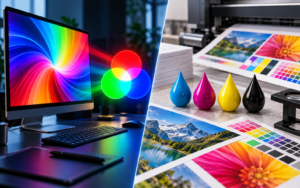
During production, a design may be printed directly onto the surface using digital equipment and UV inks. This method can produce sharp text, clean logos and vibrant colors without requiring a separate paper print to be attached manually. Depending on the project, graphics can also be printed on vinyl and applied to the panel.
A professional printing service evaluates the intended location, display duration, artwork and installation method before recommending a specific configuration. This matters because a presentation panel, a wedding welcome sign and a retail promotion may all require different specifications.
The smooth surface gives photographs, branding and promotional messages a polished appearance. When the file is prepared correctly, the finished product delivers the visual clarity expected from modern Miami printing services.
Why Choose a Lightweight Foam Board Sign?
A foam board sign offers an effective balance between visual presentation and ease of handling. Although the panel is firm enough to remain flat, it is still a lightweight material that can be carried, repositioned and installed without heavy equipment.
This characteristic is especially valuable for businesses that participate in exhibitions, open houses, presentations or temporary campaigns. Staff members can transport several panels to a venue, place them on easels and remove them when the activity ends.
The material is also cost effective compared with many permanent substrates. A company can produce multiple messages, seasonal promotions or event graphics without investing in heavy structures that may only be used once.
That does not mean every inexpensive panel automatically looks professional. Good artwork, appropriate resolution and a quality foam board substrate are still essential. A poorly designed sign can look improvised, while a carefully produced panel can impress clients and create a lasting impression.
For many interior applications, high-quality foam provides sufficient rigidity while maintaining portability. These qualities make it particularly useful when the priority is strong communication rather than permanent installation.
Where Can a Foam Board Poster Be Used?
A foam board poster can be adapted to numerous commercial, educational and social applications. Its smooth surface and clean edges make it more polished than thin paper poster boards, while its low weight makes it easier to handle than permanent signage.
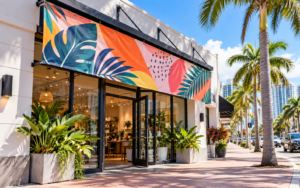
In commercial environments, these panels are frequently used for retail displays, product launches, price promotions, menus, window messages and in-store advertising. A retailer may place one near the entrance, on a display stand or beside a featured product to improve its visual appeal.
Businesses also use them during a trade show, sales presentation, conference or other corporate events. The panels may present products, service benefits, charts, QR codes, maps or company information. Because they are easy to transport, several coordinated graphics can be arranged around a booth or meeting area.
Social events offer another major application. A custom panel can serve as a welcome sign, seating chart, photo display or decorative backdrop for a wedding, birthday or private celebration. The same format may be used for sponsor recognition, schedules and directional signage.
Real estate professionals can display floor plans, renderings, development maps and property photographs. Photographers and artists can use mounted prints for exhibitions, portfolios or memorial presentations. In each case, the flat surface gives the image a more finished and stable presentation.
Which Board Size, Thickness and Foam Board Finish Should You Select?
The correct board size depends on the viewing distance, amount of information, available installation space and method of transportation. A small sign may be appropriate for a registration desk, while a presentation across a ballroom or convention hall requires a much larger format.
Many providers offer a range of sizes, including common dimensions such as 18 × 24, 24 × 36 and 36 × 48 inches. Custom sizes may also be produced for displays that must fit a specific wall, frame, stand or booth structure.
Thickness also affects how the panel performs. Some suppliers offer two thicknesses or additional options depending on the application. Larger displays may benefit from a thicker structure, while smaller tabletop signs can often use a thinner panel.
Color is another consideration. Standard white foam board is widely used because its neutral surface supports accurate reproduction and strong contrast. A white foam panel works well with photographs, logos, typography and illustrations across many industries.
The final foam board finish should be selected according to the design and lighting conditions. Clients may choose between matte and glossy surfaces. Matte finishes reduce reflections and are often better for text-heavy presentations or areas with strong overhead lighting. Glossy surfaces can increase contrast and saturation but may produce glare.
A high-quality foam board should be selected according to the project rather than price alone. A sign that is too thin, too small or poorly finished may not perform well, even when the printed design itself is attractive.
Can Foamboard Printing Include Custom Shapes and Contour Cutting?
Standard rectangular panels work well for posters and informational graphics, but foamboard printing can also be adapted to more creative applications. Digital cutting equipment allows a provider to cut the foam around a defined path rather than using only straight edges.
This process is known as contour cutting. It can be used to create product silhouettes, oversized letters, human figures, mascots, logos, arrows or decorative elements. These custom shapes are particularly effective for photo opportunities, launches, themed events and branded installations.
A business may order a life-size product replica for a storefront promotion, while an event planner may request character cutouts for a celebration. Retailers can also use cut shapes to make promotional displays more noticeable than conventional rectangular graphics.
However, not every outline is suitable. Extremely thin areas, narrow connections and highly detailed edges may break more easily. The artwork should therefore contain a clean cutting path, and the production team may need to simplify certain areas.
A well-designed custom foam board combines structural stability with an eye-catching silhouette. The shape should support the message rather than make the piece unnecessarily fragile or difficult to display.
Should You Choose Single-Sided or Double-Sided Printing?
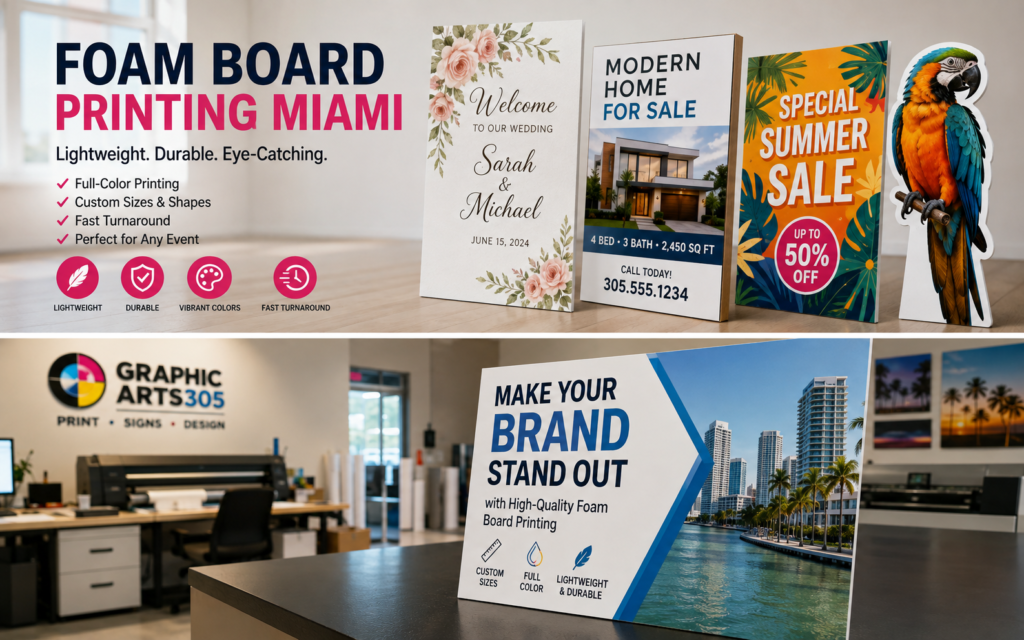
Single-sided production is appropriate when the back of the panel will face a wall, booth partition, display frame or easel. It is usually the simplest option for presentations, wall graphics and front-facing promotional signs.
Double sided production is more useful when people will approach from multiple directions. It may be selected for aisle markers, hanging signs, tabletop pieces and freestanding displays placed in open areas.
The two sides can repeat the same design or communicate different messages. For example, one side may welcome visitors while the opposite side provides directions. A retailer could display one promotion toward the entrance and another toward the interior of the store.
The installation method must be considered before ordering double-sided graphics. A support positioned across the center may cover part of the design, while certain adhesives may damage or obstruct the reverse surface.
This option is also useful for suspended displays, provided the ceiling hardware and panel weight are evaluated properly. The sign should remain balanced and visible without rotating excessively or creating a safety concern.
How Should Artwork Be Prepared for Full-Color Printing?
Good production begins with properly prepared artwork. A high-resolution file allows full color equipment to reproduce photographs, logos and text with greater clarity. Low-resolution images downloaded from websites or messaging applications may look acceptable on a screen but become blurry when enlarged.
Logos should ideally be supplied as vector files. Formats such as AI, EPS, SVG or certain PDF files allow a graphic to be enlarged without jagged edges. Photographs should be supplied at sufficient resolution for the final output dimensions.
Designers should also include bleed when colors or images extend to the edge. Bleed adds extra artwork beyond the cut line, preventing narrow white borders after trimming. Important logos, text and QR codes should remain within a safe area.
Typography must be selected according to viewing distance. A headline intended for event signage should be readable in seconds. Small text, long paragraphs and weak color contrast can reduce the effectiveness of the display.
A professional brand presentation usually relies on visual hierarchy. One primary message, a supporting statement and a clear call to action will often perform better than a crowded layout containing excessive information.
Before approving the file, check spelling, dates, phone numbers, website addresses and QR codes. A production company can identify technical problems, but it may not know whether the information itself is correct.
The final output may use full-color digital production to achieve rich imagery and consistent branding. Proper preparation is what allows that technology to deliver its best result.
How Can Printed Foam Boards Be Mounted and Displayed?
Printed foam boards can be placed on easels, display stands, walls, shelves, tables or dedicated support structures. The ideal mounting method depends on the dimensions, weight, display period and surface conditions.
For temporary wall installation, removable strips, hook-and-loop fasteners or another suitable adhesive may be used. Before applying anything, confirm that the wall finish can tolerate removal without peeling or staining.
Easels are common for welcome signs, presentations and social events. Tabletop supports work well for menus, registration information and smaller displays. Larger panels may require reinforced bases or stronger freestanding structures.
Holes, hardware or other finishing options may also be considered for hanging installations. However, foam materials should not be suspended from weak points, especially when the panel is large.
For a retail interior or storefront, placement should be evaluated from the customer’s point of view. The sign should not block pedestrian movement, merchandise or safety information. Its message should also remain visible from the intended angle.
Effective installation improves the professional look of the finished piece. Even excellent production can appear careless when the panel is crooked, unstable or attached with visible tape.
Is Foam Board Durable Enough for Indoor and Outdoor Use?
Foam panels are primarily recommended for indoor use. Inside a controlled environment, they can remain clean, flat and visually effective for presentations, displays and temporary campaigns.
The material can be relatively durable when handled properly, but its durability should not be confused with the performance of plastic, acrylic or aluminum. Corners may dent, surfaces may scratch and exposed edges can be affected by moisture.
Miami’s sun, rain, humidity and wind create challenging exterior conditions. Traditional panels should not be presented as permanent weather-resistant products. Even a laminated surface does not fully protect the internal structure or exposed sides.
A brief outdoor application may be possible when the display remains covered, supported and protected from changing weather. For extended exterior use, PVC, corrugated plastic, aluminum composite or another suitable substrate is generally a better choice.
A printer may use UV technology to improve image quality and resistance to normal fading, but UV production does not transform the substrate into permanent outdoor material. The expected lifespan still depends on exposure, handling and installation.
Businesses with high-traffic locations should also consider whether frequent contact, cleaning or repositioning could damage the surface. A more substantial substrate may offer better value when repeated handling is expected.
How Do Turnaround, Pricing and Local Miami Printing Work?
The cost of custom foam board printing depends on dimensions, quantity, thickness, finish, shape, number of printed sides and required accessories. Contour cutting, lamination and rush production can also affect the final quotation.
A simple rectangular sign with ready-to-print artwork usually requires less production work than a group of customized displays. Supplying complete details helps the printer calculate a more accurate price and recommend the appropriate specifications.
Typical turnaround times vary according to workload and project complexity. Standard orders may sometimes be completed in approximately 2-4 business days, while large quantities, special finishing or custom cutting may require additional time.
Production estimates are normally measured in business days, not calendar days. Orders submitted late on a Friday may not begin until the next working day. Clients should also account for artwork revisions, approval, pickup, delivery and installation.
When a firm event date exists, communicate it at the beginning of the project rather than after production has started. A faster turnaround may be possible, but rush availability should never be assumed.
Choosing a local provider for printing Miami projects can simplify communication and pickup. Clients can discuss display conditions, compare substrates and coordinate additional items such as banners, posters or promotional signage.
Graphic Arts 305 provides local production solutions for companies, organizations, event professionals and individuals. Working with a supplier that understands both temporary displays and permanent signage can help clients avoid choosing the wrong material merely because it has a lower initial price.
What Should You Remember Before Ordering Foam Board Printing in Miami?
Before placing an order, focus on how and where the finished display will be used. Material selection should follow the application, not the other way around.
- Use foam board primarily for interior presentations, promotions, events and temporary displays.
- Choose a size based on viewing distance, available space and the amount of information.
- Select matte finishes when glare and readability are important.
- Consider glossy finishes for photography and highly saturated promotional graphics.
- Use high-resolution images and vector logos whenever possible.
- Keep important text and QR codes away from the cut edges.
- Choose double-sided production when the display will be seen from multiple directions.
- Request contour cutting when a logo, person, product or decorative silhouette would strengthen the concept.
- Confirm the support, hanging system or wall surface before choosing an installation method.
- Do not rely on standard panels for permanent exposure to Miami rain, humidity, wind or direct sunlight.
- Allow enough production time for artwork review, finishing, cutting and delivery.
- Provide dimensions, quantity, deadline and finishing requirements when requesting a quotation.
For businesses and event professionals seeking foam board printing Miami services, the most effective result comes from matching the material, design and installation method to the actual environment. A properly planned display is easier to transport, faster to install and more likely to communicate its message clearly.